
.webp)
The Live Local Act Florida, passed in 2023, is a state law aimed at increasing affordable and workforce housing by giving developers zoning and tax incentives. The law allows taller, denser buildings and faster approvals if developers set aside 40% of their rental units for households earning up to 120% of the area median income (AMI). In return, developers receive substantial property tax breaks and reduced parking and zoning restrictions.
Why the Live Local Act Florida Was Created?
Florida faces a long-running affordable housing crisis. Rents have soared, especially in cities like Miami, Fort Lauderdale, and West Palm Beach. Many essential workers, teachers, nurses, firefighters, fall into what’s called the "missing middle," earning too much to qualify for traditional affordable housing, but not enough to keep up with rising rents. The Live Local Act Florida was designed to fill this gap.
What Has Been Built So Far under the Live Local Act Florida?
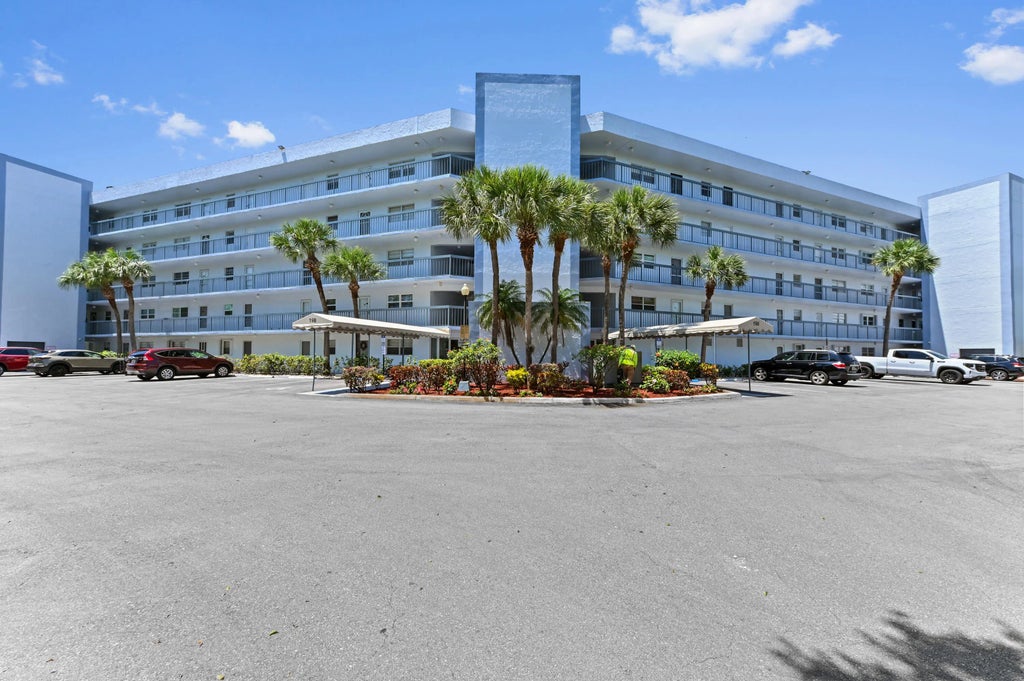
As of 2025, developers have completed over 3,000 rental units across 23 projects using the law’s incentives. Another 42,000+ units are in various stages of planning and development. Almost half of these are located in Miami-Dade County, followed by Broward County (11.2%) and Palm Beach County (6.3%).
Developer Incentives Under the Live Local Act Florida
Property Tax Exemptions
-
100% tax exemption: For units rented to those earning below 80% of AMI
-
75% exemption: For renters earning between 80% and 120% of AMI
Zoning Flexibility
-
Build up to the tallest height allowed within 1 mile of the project
-
Use the highest residential density in the city
-
Bypass public hearings with streamlined administrative approvals
These incentives have made the Live Local Act Florida attractive to private equity and developers aiming to build more while spending less.
Who does the Live Local Act Florida Help?
The Missing Middle
This group earns between 80% and 120% of the AMI and includes teachers, police, and healthcare workers. These workers are often priced out of their own communities. The Act’s structure was designed to serve them.
Extremely Low-Income Renters
There is concern that the law doesn't do enough for households earning less than 80% of AMI. According to Florida TaxWatch, there are only 25 affordable units for every 100 renters in this category statewide. In South Florida, this translates to a shortfall of:
-
143,805 units in Miami-Dade and Monroe Counties
-
85,345 units in Broward County
-
37,699 units in Palm Beach County
Challenges Developers Are Facing with the Live Local Act
Despite the benefits it offers, the Live Local Act Florida has faced several challenges. In some cities, local governments have attempted to delay or block projects, resulting in costly legal battles, such as in Bal Harbour, where a 528-unit development was denied, and Hollywood, where a 17-story proposal was rejected partway through the review process.
Financing has also proven difficult, as many banks remain cautious; the law’s property tax exemptions only apply after construction is complete, leaving lenders uncertain about early-stage viability. Additionally, AI-generated legal summaries have created widespread confusion, with both developers and lenders misinterpreting key aspects of the law, including eligibility requirements and timelines.
2024–2025 Updates to the Live Local Act Florida
Florida lawmakers passed a series of updates (often referred to as "Live Local 3.0") to:
-
Require cities and counties to report approved and denied projects annually starting Nov. 1, 2026
-
Speed up legal challenges by requiring courts to prioritize Live Local cases
-
Cap legal fees for developers who sue local governments
These changes aim to protect developer rights and keep housing projects moving.
FAQs About the Live Local Act Florida
What is the Live Local Act Florida?
The Live Local Act Florida is a 2023 state law that incentivizes affordable housing through property tax exemptions, zoning flexibility, and faster approval processes.
Who qualifies for housing under the Act?
Households earning up to 120% of the Area Median Income (AMI) are eligible for housing created under the Live Local Act Florida.
How long must units remain affordable?
Units built under the Live Local Act Florida must remain at below-market rent for at least 30 years.
Can cities block Live Local Act projects?
Cities can attempt to block projects, but recent legislative updates have limited their ability to do so and provided legal protections for developers.
Is the Live Local Act Florida helping extremely low-income renters?
The law primarily benefits renters earning between 80% and 120% of AMI, meaning extremely low-income households are not the main focus of this legislation.
Final Thoughts on the Live Local Act Florida
The Live Local Act Florida has already led to thousands of affordable and workforce housing units, but challenges remain. Legal battles, misinformation, and financial hurdles are slowing down progress. Still, with over 42,000 units in the pipeline, its potential to change the landscape of Florida housing is real.
Looking to learn more about housing opportunities? Call The Mastropieri Group Realtors® at (561) 544-7000. Our team specializes in helping renters, buyers, and investors make smart real estate decisions across South Florida.
Posted by Larry Mastropieri



Enjoy this blog post? Click here to subscribe for updates

Leave A Comment