

Zillow recently removed Zillow climate risk scores from over a million listings across the country. The feature, created in partnership with First Street Foundation, gave buyers easy access to risk data for floods, fires, heat, wind, and air quality.
But after pressure from real estate groups, especially the powerful California Regional Multiple Listing Service (CRMLS), Zillow quietly rolled back the tool. Now, users only see a link to the data offsite, a major shift in transparency.
Here’s what happened, why it matters, and how it affects homebuyers in climate-sensitive areas like South Florida.
What Were Zillow Climate Risk Scores?
Zillow launched its climate risk tool in late 2025. introducing Zillow climate risk scores to help users understand long-term climate exposure at the property level. The scores included data on flood probability, wildfire risk, and extreme heat forecasts, clearly displayed on home listings.
This was made possible through a partnership with First Street Foundation, a nonprofit climate data group that also powers RiskFactor.com. Their models helped Zillow surface property-specific risk scores that went far beyond what traditional FEMA flood maps provide.
The scores were built from transparent, peer-reviewed data and covered six climate risks:
-
Flood
-
Fire
-
Wind
-
Heat
-
Air quality
-
Insurance implications
Unlike FEMA maps, which can be outdated and limited in detail, First Street’s predictive tools were designed to forecast future climate risks, an approach that sparked controversy within the real estate industry. Yet, for many buyers, especially the more than 80% who consider climate risk an important factor when purchasing a home, access to this kind of data was invaluable. It helped them plan for insurance costs, potential renovations, and long-term livability.
Why Did Zillow Remove the Climate Risk Scores?
The backlash reached a tipping point when CRMLS, the nation’s largest Multiple Listing Service, challenged the accuracy of First Street’s flood risk ratings, particularly in California. Their concerns centered on how Zillow climate risk scores were being presented to buyers and the possibility that the tool could mislead consumers and negatively affect home sales. CRMLS went as far as warning Zillow that it could lose access to essential listing data if the platform didn’t revise or remove the feature.
Real estate agents echoed these concerns, reporting that buyers were canceling showings after seeing high flood or wildfire scores, even on homes with no history of issues. Sellers were equally frustrated, with no ability to challenge or correct Zillow climate risk scores they believed were inaccurate.
Because Zillow relies heavily on MLS partnerships to power its listings, the pressure posed a serious threat to the company’s operations. With legal risks rising and industry resistance intensifying, Zillow ultimately decided to scale back.
As a result, the climate risk scores have been removed from listings, though users can still access the information by clicking through to RiskFactor.com.
How Zillow Climate Risk Scores Affected the Market
Before Zillow rolled back the climate risk feature, it tracked how homes labeled as high-risk performed on the market. Between June 2024 and March 2025, only 52% of high-risk homes sold, compared to 71% of low-risk homes. That nearly 20% gap raised serious concerns about how predictive risk scores might be impacting home values and slowing down sales.
Redfin conducted its own analysis and found that listings displaying flood risk scores sold for about 1% less than comparable homes without visible risk data. Together, these findings confirmed what many agents had suspected: the scores were influencing buyer behavior. Sellers pushed back as well, arguing that the models didn’t accurately reflect the true condition or history of their properties.
What Other Platforms Are Doing About Climate Risk
Unlike Zillow, Redfin continues to display First Street data. The company has taken a public stance in favor of transparency.
Realtor.com was the first to adopt First Street’s scores back in 2020. They are currently reviewing the issue, but have not yet removed the data.
Homes.com has not announced any changes. As of now, the platform continues to display climate risk information for its listings.
The CRMLS has reportedly contacted all three platforms, urging them to suppress or remove predictive climate data.
What This Means for South Florida Buyers and Sellers
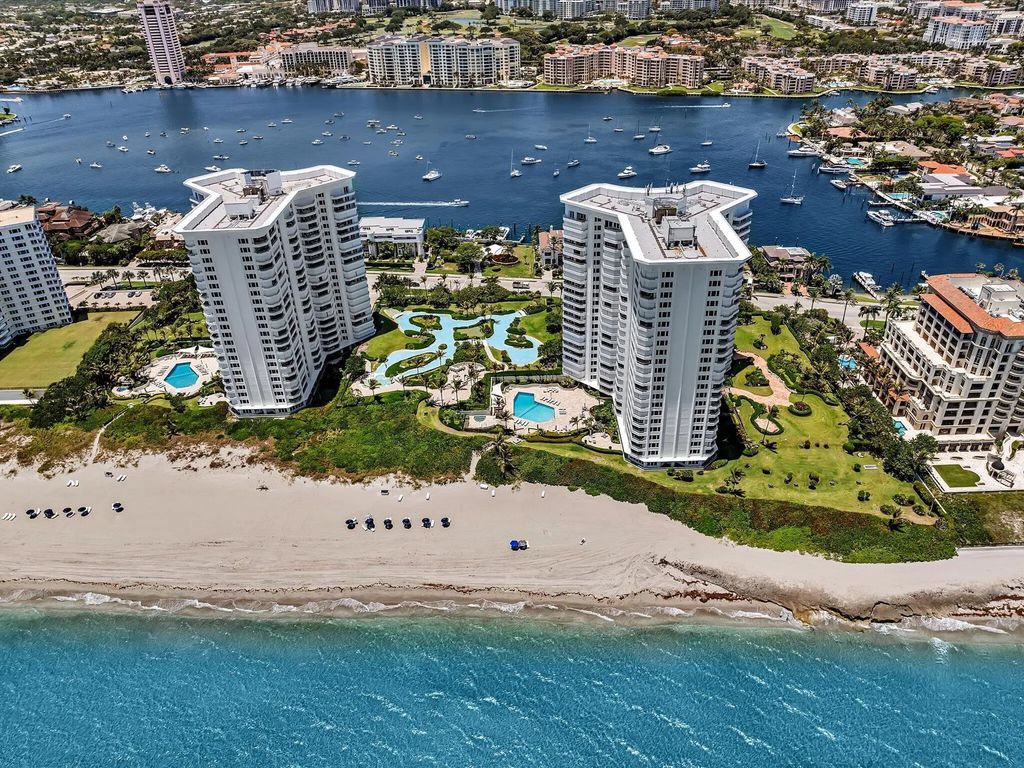
South Florida is among the most climate-sensitive real estate markets in the country. Flooding, storm surge, and rising insurance costs are already shaping how, and where, homes are bought and sold.
Risk isn’t always obvious. Some homes several miles inland fall within FEMA-designated flood zones, while certain waterfront properties do not. In this region, flood exposure can vary drastically from one block to the next.
FEMA flood maps rely on historical data and may not reflect future climate conditions. That’s where predictive tools like RiskFactor come in, offering forward-looking insights that help fill in the gaps. For South Florida buyers and sellers, it's important to understand both perspectives when evaluating a property.
Here are a few steps to stay informed and prepared:
-
Request an elevation certificate and the property's flood history
-
Plan for flood insurance and possible premium increases
-
Know the local building codes and required mitigation strategies
-
Work with experienced local agents who understand real flood risk and how it impacts property values
FAQs About Zillow Climate Risk Scores
Why did Zillow remove climate risk scores?
Zillow removed climate risk scores after pushback from CRMLS, which claimed the data was inaccurate and hurt sales. Facing pressure to keep MLS access, Zillow removed the scores but still links to RiskFactor.com.
Which real estate websites still show climate risk data?
Redfin, Realtor.com, and Homes.com still display climate risk data from First Street Foundation. Only Zillow removed it from listings.
How can I check flood risk for a South Florida property?
Use FEMA maps and RiskFactor.com. For localized insight, ask your real estate agent for flood history and an elevation certificate.
Do Florida Realtors have to disclose flood or climate risk?
Yes, if it’s a known issue or the property is in a FEMA flood zone. Predictive data like First Street’s models are not required to be disclosed by law.
Can climate risk scores affect home value?
Yes. Zillow and Redfin data show homes with high-risk scores sell slower and sometimes for less. In South Florida, this can affect demand and pricing.
Should I avoid homes in flood zones?
Not always. Many South Florida homes are in flood zones. Get a flood quote, check elevation, and work with a local agent to understand the real risk
Talk to Local Experts About Real Estate
Whether you're buying or selling in a flood-prone neighborhood or simply want to make a smart investment, working with knowledgeable agents is key.
Contact The Mastropieri Group, Realtors® at (561) 544-7000to discuss real estate in South Florida, including what climate risks may mean for your property.
With boots-on-the-ground experience and insight into local flood zones, building codes, and insurance trends, our team is ready to help you make an informed move.






Posted by Larry Mastropieri
Enjoy this blog post? Click here to subscribe for updates

Leave A Comment