
.webp)
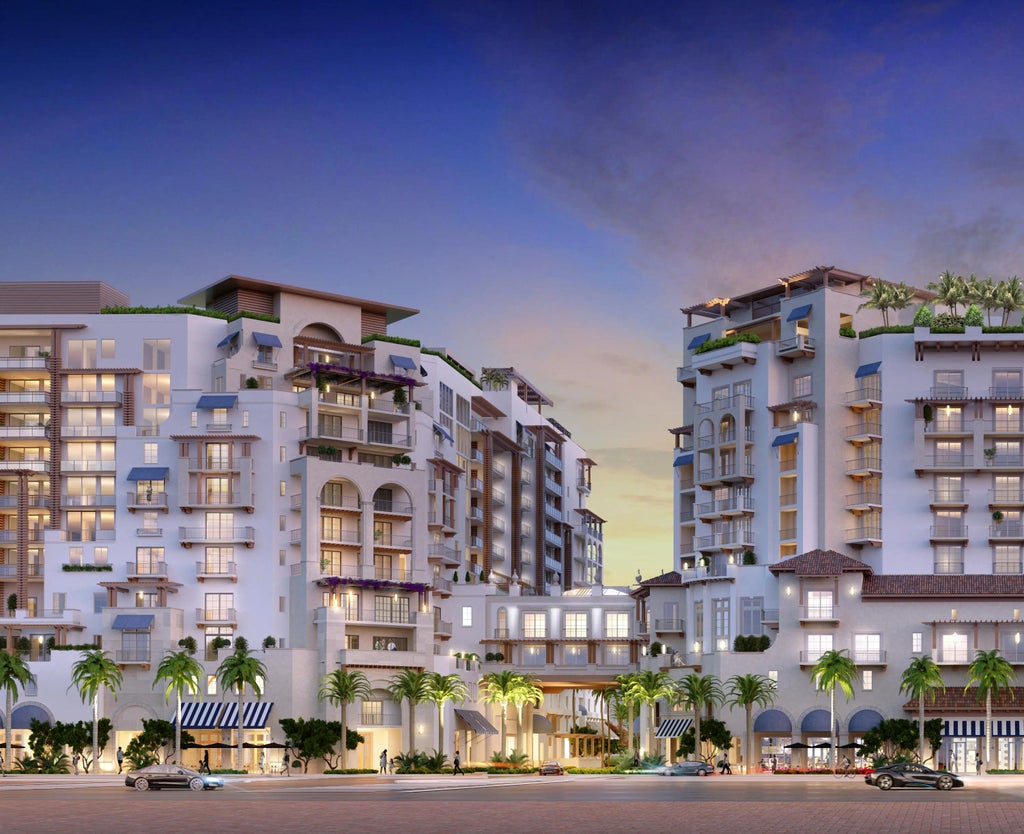
A luxury hotel and branded-residence tower in downtown Boca Raton was supposed to be a headline win years ago. Instead, the Mandarin Oriental Boca Raton Hotel site has become a slow-motion real estate problem: long delays, rising carry costs, buyer disputes, and now a Chapter 11 filing meant to hold the project together long enough to refinance and finish.
Key Takeaways
-
The owner entities behind the Mandarin Oriental Boca Raton Hotel filed Chapter 11 on December 23, 2025 in the Southern District of Florida.
-
Reporting describes it as a lender-supported, “consensual” restructuring meant to protect value and finish construction.
-
For Boca Raton luxury hotel development, it shows how delays and higher rates can make time the biggest risk.
What Via Mizner promised, and why Boca paid attention
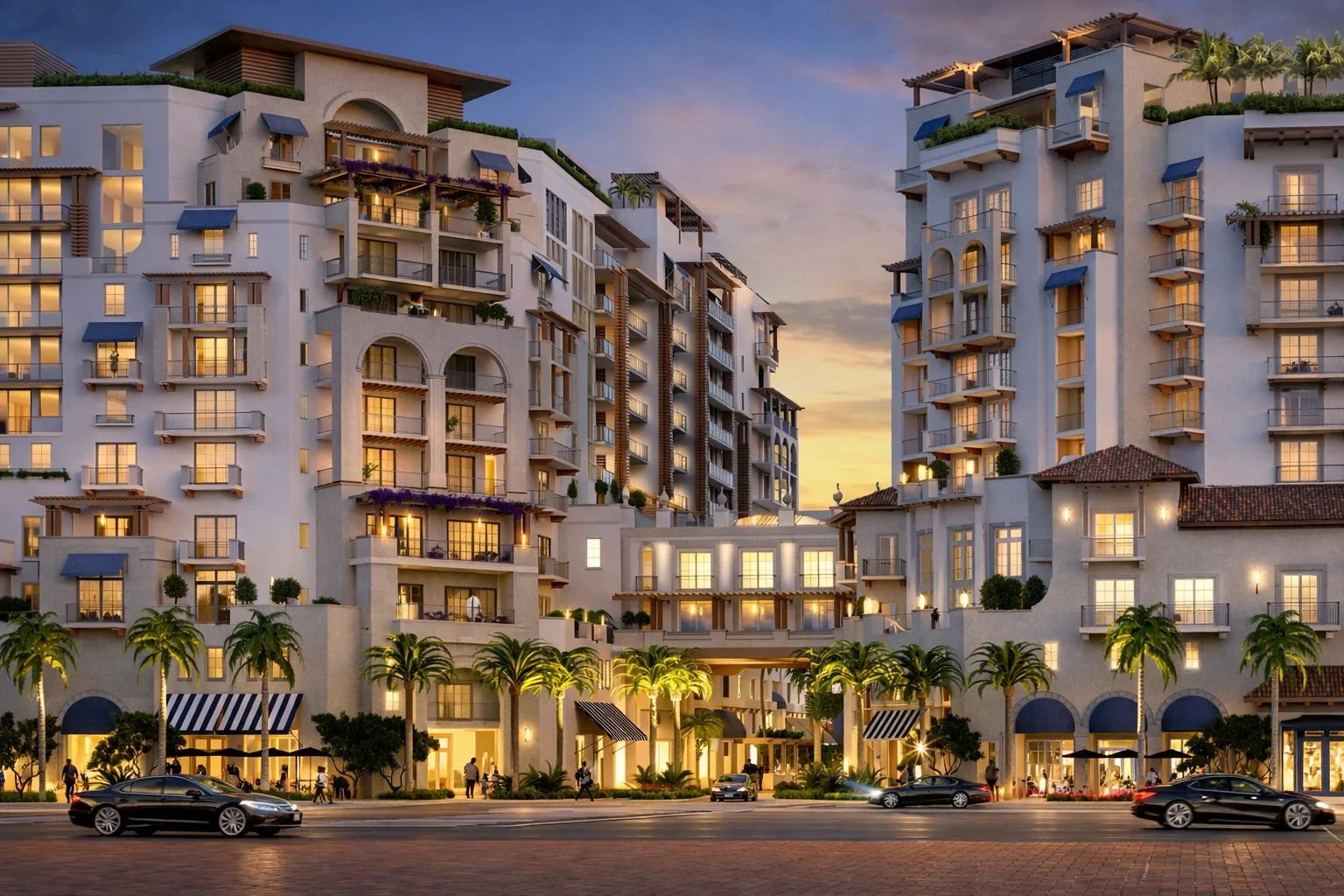
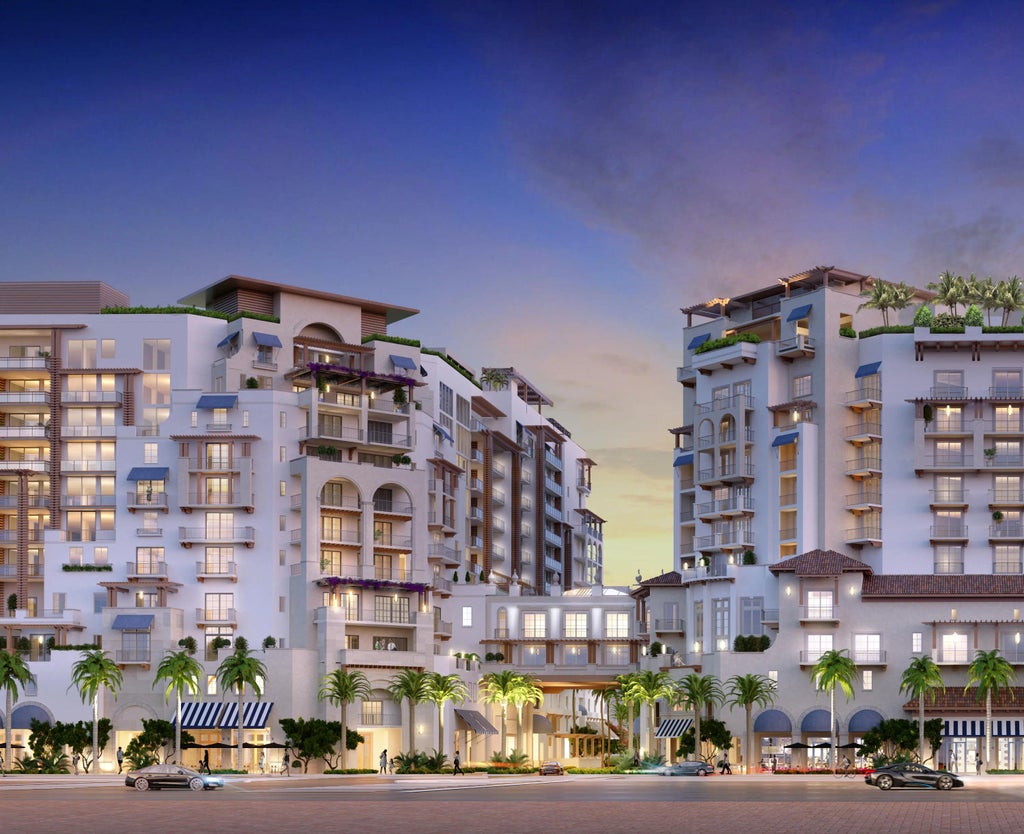
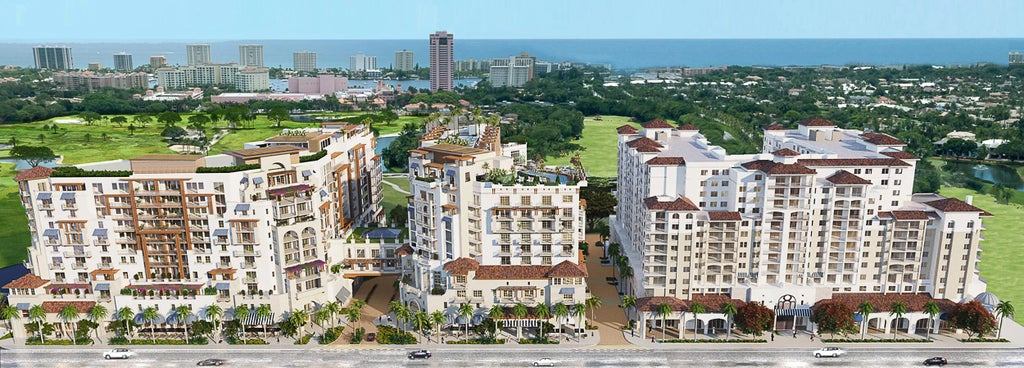
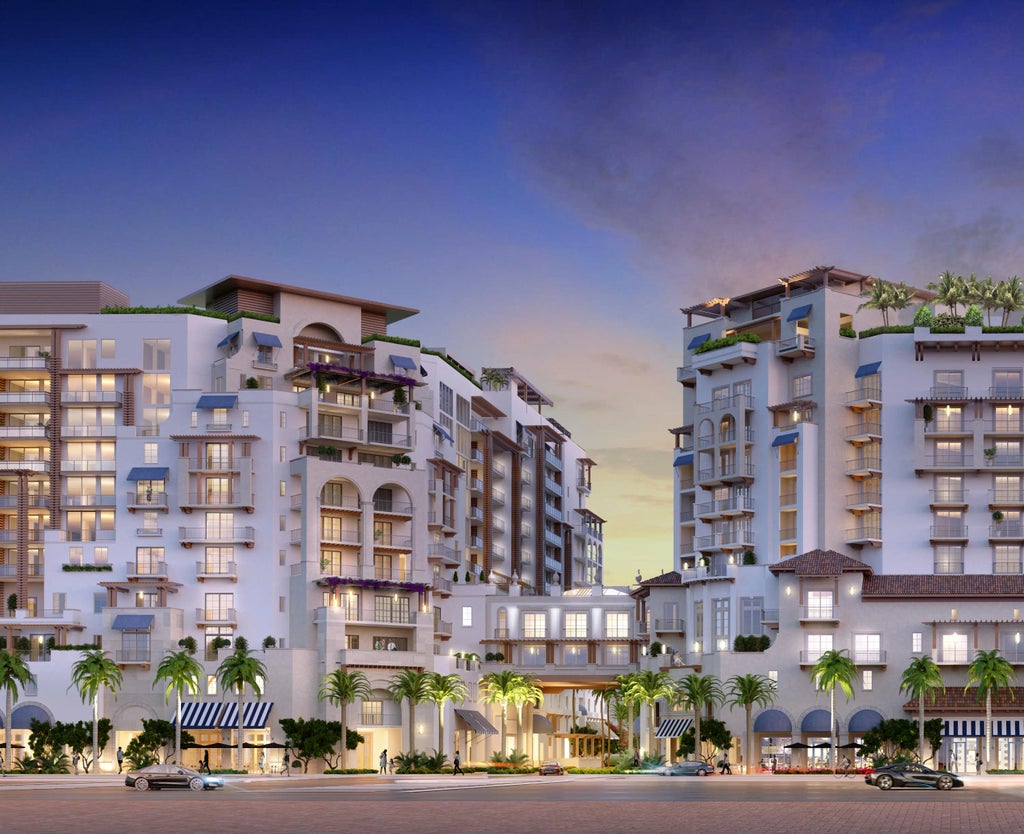
Back in 2015, Mandarin Oriental announced plans to manage a new luxury hotel and branded residences as part of the Via Mizner mixed-use concept in downtown Boca Raton. The early plan described two towers, luxury retail, and a private club, with an opening target that, at the time, was projected for late 2017.
That is the core of why this matters. A branded project like the Mandarin Oriental Boca Raton Hotel is not just another building. It is meant to anchor pricing, bring year-round demand, and signal that downtown can support global luxury flags alongside high-end condos and mixed-use streets.
How a delay becomes a real estate finance problem
In real estate, delays are not only a construction issue. They are a money issue. When a project runs late, costs keep running even if sales do not. Interest accrues. Insurance and security continue. Contractors and suppliers still need to be paid. And when rates rise, refinancing becomes harder and more expensive. Those forces do not usually show up all at once. They stack up until the calendar starts working against the owner.
For this Boca Raton luxury hotel development, public reporting also points to a second pressure point: buyer disputes and lawsuits tied to delays. The Coastal Star reports that would-be condo owners who placed large deposits filed suits seeking their money back, and contractors also filed claims for unpaid work.
One example is a Palm Beach County case filed in August 2024 against Via Mizner Owner III, tied to breach-of-contract claims related to the delayed development timeline.
Inside the Mandarin Oriental Boca Raton Hotel Chapter 11 filing
The Chapter 11 filing date matters because it tells you what problem the owner is trying to solve right now.
-
Filing date: December 23, 2025
-
Entities: Via Mizner Owner II, LLC and Via Mizner Pledgor II, LLC
-
Venue: U.S. Bankruptcy Court, Southern District of Florida (West Palm Beach division)
-
341 meeting of creditors: January 29, 2026
Public summaries also describe the secured debt pressure. Bondoro reports roughly $130.2 million owed to TIG Romspen US Master Mortgage LP and $80 million owed to Via Mizner Funding, L.P., with the filing triggered by inability to repay at maturity.
The Coastal Star reports the owners and secured lenders describe the case as a “consensual” Chapter 11, aimed at protecting the property’s valuation for parties in interest, and it notes a stated estimated value of more than $450 million upon completion.
The filing also includes a request to seal parts of the case. That is not rare in large real estate restructurings where the owner is trying to keep investor discussions, pricing terms, or negotiation strategy out of the open market. The Coastal Star reports the stated concern was that disclosure could chill interest in the property or be used as leverage.
What Chapter 11 actually buys is a development like this
Chapter 11 is a reorganization tool. It is designed to keep a business operating while its debts are renegotiated under court oversight. In many cases, the owner stays in control as the “debtor in possession,” which means the project can keep moving while a plan is worked out.
For a construction-heavy real estate deal, Chapter 11 usually delivers three practical advantages at once:
-
First, it can pause creditor action through the automatic stay. That stay generally stops many collection efforts and attempts to seize or sell the property while the court process is active, which can remove the immediate threat of a rushed foreclosure outcome.
-
Second, it creates a structured lane to restructure secured debt. If secured lenders are cooperating, Chapter 11 can be used to extend maturities, adjust terms, and line up new capital in an organized way, instead of forcing a sale mid-construction.
-
Third, it forces a clearer timeline. Bankruptcy comes with reporting requirements, deadlines, and court supervision. That pressure often pushes a stalled project toward a defined plan, rather than letting delays drift without a reset.
Quick comparison
-
Chapter 11 vs foreclosure: Chapter 11 is meant to create time and structure, while foreclosure is designed to transfer control fast.
-
Chapter 11 vs selling mid-build: A sale can happen in bankruptcy, but the stated intent here is to reorganize and finish, not liquidate the asset in pieces.
-
Chapter 11 vs raising equity outside court: New equity is typically easier to attract when lenders and the court process align around a plan and deadlines.
Why this matters for Boca Raton real estate
The Mandarin Oriental Boca Raton Hotel situation is not a day-to-day pricing driver for every house in Boca. But it does matter in three real ways.
First, it is a signal about construction risk in the top end of the market. Even in high-demand cities, branded projects can stall when financing terms shift and timelines blow past what buyers expected.
Second, it shapes downtown confidence. A long-running, high-profile work site affects perception. The Coastal Star notes local complaints about the slow pace and how the site looks. Perception is not the same as value, but perception can affect buyer mood, especially in nearby condo corridors.
Third, it shows how capital behaves around trophy assets. In the same market, you can see well-funded owners refinancing and reinvesting in resort assets, while other projects push into distress workouts.
FAQ About the Mandarin Oriental Boca Raton Hotel’s Chapter 11 Filing
What is Chapter 11, and why would a developer use it?
Chapter 11 is a reorganization process that can allow a business to keep operating while it restructures debt under court oversight. In many cases, the debtor stays in control as “debtor in possession” while a reorganization plan is negotiated.
Who filed Chapter 11 for the Mandarin Oriental Boca Raton Hotel project?
Public docket summaries list Via Mizner Owner II, LLC as the lead case, with Via Mizner Pledgor II, LLC filed as a related case, both filed on December 23, 2025 in the Southern District of Florida.
Where is this Boca Raton luxury hotel development located?
Public reporting and project materials place the development at or around 105 East Camino Real in downtown Boca Raton, tied to the Via Mizner site.
Local help for buyers, sellers, and investors in Boca Raton and Palm Beach County
If you’re buying, selling, or investing near downtown Boca Raton, focus on the details that can shape both daily life and long-term value. That includes construction timelines, traffic and truck routes, noise, staging and site progress, insurance and flood exposure where relevant, and the pricing signals that show how buyers are reacting in real time.
For clear, hands-on guidance across Palm Beach County, reach out to The Mastropieri Group, Realtors® at (561) 544-7000.


Posted by Larry Mastropieri
Enjoy this blog post? Click here to subscribe for updates

Leave A Comment