

Airplane noise might seem like just a background inconvenience, but a 2024 working paper from the National Bureau of Economic Research shows it can have a measurable impact on home prices. The study analyzed thousands of home sales and flight path changes across the U.S. to better understand the connection between airplane noise and home values.
This issue is especially relevant in South Florida, where major airports like MIA, FLL, and PBI are located near residential neighborhoods. For homebuyers and sellers in these areas, it's important to know how noise exposure can influence pricing, buyer behavior, and property demand. Understanding how airplane noise and home values interact can help in making better real estate decisions.
Why Airplane Noise Matters in Real Estate?
Noise pollution doesn’t just affect quality of life, it affects perception. When buyers view homes, they don’t just notice the interior or backyard; they also listen. Persistent airplane noise, especially during tours or open houses, can turn potential buyers away or lead to lower offers.
Airports bring convenience, but also tradeoffs. Living under a flight path often means hearing planes early in the morning or late at night. Over time, this can lower neighborhood desirability.
Buyers, particularly those in higher income brackets, place greater value on quiet surroundings. National research indicates many are willing to pay more to avoid consistent aircraft noise, reinforcing the connection between airplane noise and home values.
What the Research Says About Airplane Noise and Home Values
A working paper by the National Bureau of Economic Research used detailed flight path data and thousands of home sales to understand the link between airplane noise and home values.
The study found that every 1-decibel increase in average airplane noise can lower a home’s value by 0.6% to 1%. That means even moderate increases in noise can cost homeowners thousands of dollars.
Homes exposed to frequent 60+ decibel noise sold at consistent discounts compared to similar homes in quieter areas.
The study also found that high-income households are more sensitive to noise pollution. In cities like Seattle, Boston, and Chicago, buyers were willing to pay anywhere from $1,500 to over $3,200 more for quieter homes.
South Florida Case Study: Real Estate Near Major Airports
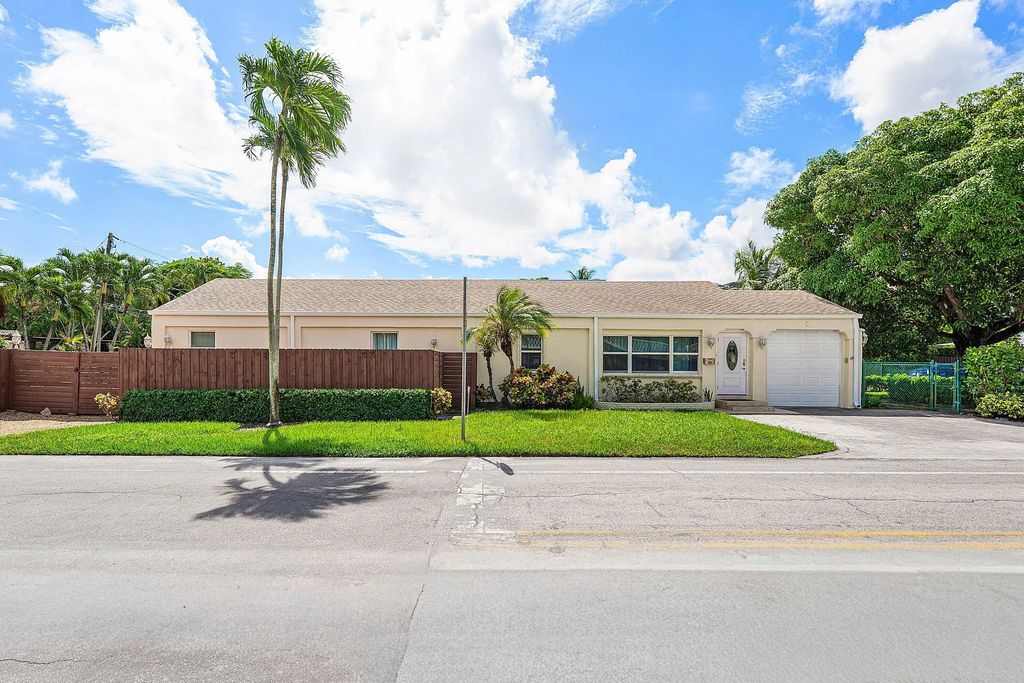
Homes in the MIA flight path, such as Virginia Gardens and West Miami, have a median value of around $509,000, which is 8% to 12% lower than similar homes in quieter Coral Gables or Coconut Grove.
In areas like Dania Beach and western Hollywood, where airplane noise is common, home prices range from $500K to $530K. These homes sell for 5% to 9% less than quieter neighborhoods like Victoria Park and Las Olas.
Neighborhoods west and south of West Palm Beach also see reduced values. Homes in these corridors sell for 4% to 7% less than those on Palm Beach Island or eastern Boca Raton.
These value gaps are consistent with national research, reflecting the direct relationship between airplane noise and home values.
Buyer and Seller Guidance for Noisy Areas
How Buyers Can Evaluate Noise Impact
Buyers can consult FAA Noise Exposure Maps and tools like FlightRadar24 to assess flight patterns over a property. Visiting the home at multiple times of day helps capture peak noise levels. Reviewing sales history and days on market can also indicate whether aircraft noise has influenced previous transactions.
Seller Strategies in High-Noise Zones
Sellers near airports can benefit from pricing competitively compared to similar homes in quieter neighborhoods. Upgrades such as double-pane windows, sound-insulating materials, and dense landscaping can help reduce perceived interior noise. Marketing should focus on buyer groups who prioritize price or location over noise sensitivity, such as first-time buyers or investors.
Current Market Conditions and the Role of Location
As of October 2025, national housing inventory was up 15% year over year. Homes stayed on the market about 10% longer, with many price reductions and more deal cancellations tied to insurance and inspection issues. Starter home prices climbed from $95,000 in 2012 to $250,000 in 2024, creating new affordability challenges. In this context, buyers place greater importance on location, and environmental factors like airplane noise play a growing role in decision-making.
FAQs About Airplane Noise and Home Values
Does living near an airport reduce home value?
Yes, living near an airport can reduce home value by 0.6% to 1% per decibel of noise. Homes under frequent flight paths typically sell for less.
How loud is too loud when it comes to airplane noise?
Airplane noise becomes problematic when it regularly exceeds 60 decibels. Below 40 decibels, the impact on home value is minimal.
Can soundproofing a home increase its value?
Yes, soundproofing can make a noisy home more attractive to buyers and potentially reduce the discount they expect.
What tools can I use to check airplane noise levels before buying a home?
Use FAA noise maps, FlightRadar24, and visit the home during peak flight times.
Do all homes near airports lose value the same way?
No. Impact varies by location, income level, and frequency of flights. South Florida homes show value drops ranging from 4% to 12%.
Are some airports worse for nearby homeowners than others?
Yes. Busier airports like MIA have more frequent flights and greater impact on surrounding neighborhoods compared to smaller airports.
Is airplane noise disclosure required when selling a home?
Disclosure rules vary, but many states do not require sellers to disclose noise. Buyers should do their own research.
Ready to Invest in South Florida Real Estate?
Airplane noise can affect how much homes are worth, especially in neighborhoods located near major airports. In South Florida, buyers and sellers should be aware of how consistent aircraft noise may impact pricing, demand, and long-term resale value.
If you're planning to buy or sell a home in a flight path, it's important to work with local professionals who understand how to evaluate noise exposure and market conditions accurately.
Contact The Mastropieri Group, Realtors® at (561) 544-7000 for local knowledge and smart advice. We help South Florida buyers and sellers make confident, informed real estate decisions.



Enjoy this blog post? Click here to subscribe for updates

Leave A Comment