
.56.webp)
Robots are officially delivering meals on Las Olas Boulevard. This is a signal of where Fort Lauderdale real estate is heading. The launch of food delivery robots in Fort Lauderdale highlights which neighborhoods are dense, walkable, and modern enough to support next-generation urban services. On December 5, Serve Robotics began autonomous deliveries for Uber Eats customers in Downtown Fort Lauderdale and along Las Olas Boulevard, placing Broward County on the map as a tech-ready, lifestyle-driven market. For buyers, renters, and investors, this rollout quietly reinforces why these areas continue to attract demand.
Key Takeaways
-
Serve Robotics Fort Lauderdale robots began Uber Eats deliveries on Las Olas on Dec 5.
-
Walkable areas with lots of restaurants and nearby condos and hotels are the easiest places for food delivery robots in Fort Lauderdale to work day to day.
-
Serve said it planned to reach 2,000 robots in service nationwide by the end of 2025, and one major forecast sees the delivery robot market growing through 2029.
What was launched in Fort Lauderdale
Serve Robotics, a Los Angeles-based leader in autonomous sidewalk delivery, launched its AI-powered robots for Uber Eats customers in Fort Lauderdale, Florida, on December 5, 2025. The service rollout covers two bustling high-traffic areas: Downtown Fort Lauderdale and Las Olas Boulevard. This expansion extends the company's successful operations from nearby Miami, integrating sustainable, low-emissions robots that navigate sidewalks to deliver restaurant orders directly to users via the Uber Eats platform.
CEO Ali Kashani emphasized South Florida's potential in the announcement, stating that the region has proven to be an incredible market for autonomous delivery. He noted that building on the Miami success, the move into Fort Lauderdale enables Serve to reach more communities, support additional restaurant partners, and scale its eco-friendly network across the area. This development solidifies food delivery robots as an official and growing part of Fort Lauderdale's local delivery options, aligning with broader goals for innovation, mobility, and reduced urban emissions
Why Downtown and Las Olas were the first target zones
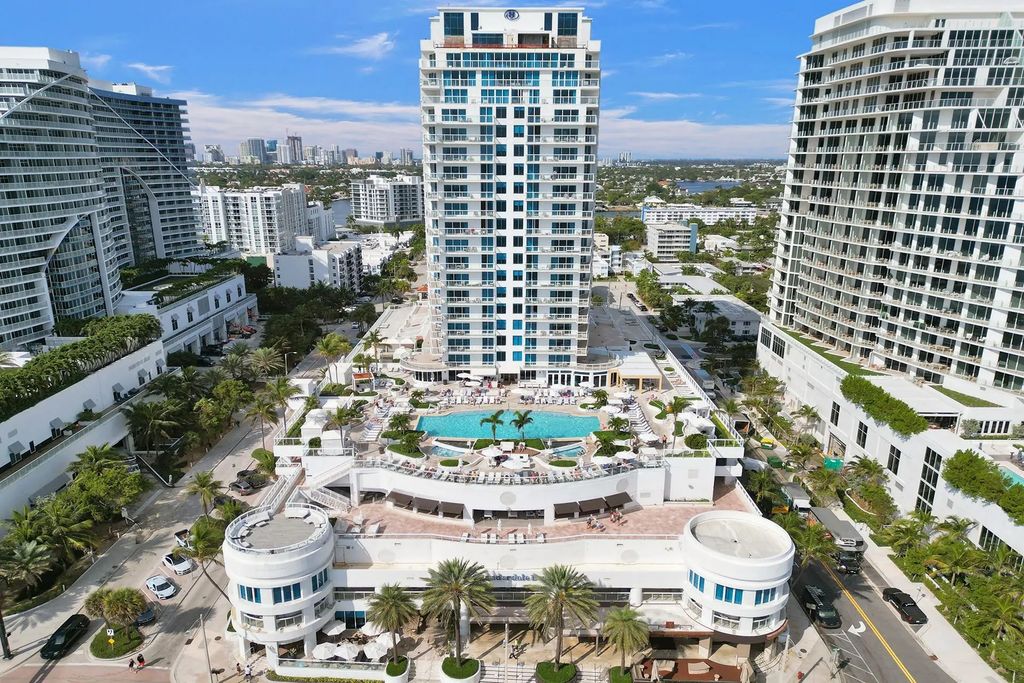
Downtown Fort Lauderdale and Las Olas Boulevard were chosen as the first target zones for delivery robots due to their ideal conditions for short-range, high-frequency autonomous deliveries. Las Olas Boulevard, in particular, stands out as one of the most walkable and vibrant corridors in the city. The area is densely packed with restaurants, boutique shops, offices, condos, and hotels. This compact layout allows robots to complete deliveries quickly over short distances while serving a high volume of demand.
Complementing this, the City of Fort Lauderdale has prioritized pedestrian safety and mobility improvements along the Las Olas corridor (from S. Andrews Avenue to A1A). These thoughtful street designs, wider sidewalks, better crosswalks, and enhanced pedestrian infrastructure create a safer and more predictable environment for robots to navigate alongside people, cyclists, strollers, and other sidewalk users.
.webp)
Why walkable South Florida zones are perfect for Food Delivery Robots
What restaurants and operators care about
Restaurants and operators adopt food delivery robots in Fort Lauderdale not as a novelty, but as a practical response to ongoing operational challenges in the hospitality industry. Staffing shortages, rising wages, high turnover, and the high cost of last-mile delivery, the most expensive and time-sensitive segment of the process, have pushed businesses toward automation. Serve Robotics Fort Lauderdale robots help address these pressures by providing consistent performance on short trips within tight urban radio, easing the strain on human drivers during peak hours, and offering more predictable costs through scalable, low-emissions workflows that reduce reliance on traditional staffing models.
From rollout to scale: what comes next
Serve Robotics aimed to deploy 2,000 robots nationwide by the end of 2025 (a goal it achieved, creating the largest U.S. sidewalk delivery fleet with a reported 99.8% completion rate). Industry forecasts, such as those from Research and Markets, projected the delivery robots market at around $0.4 billion in 2025, growing toward $0.77 billion by 2029, driven by demand for efficient, sustainable last-mile solutions. South Florida, with its walkable zones and vibrant restaurant scenes, continues to emerge as a prime testing ground.
How robot deliveries fit sidewalk rules
In everyday use, Florida law treats these personal delivery devices like pedestrians on sidewalks and crosswalks: they have similar rights and duties, must yield to people, and cannot unreasonably interfere with pedestrian traffic. For locals and visitors encountering food delivery robots in Fort Lauderdale, this means treating them as slow-moving sidewalk users, giving them space at narrow spots, avoiding blocking their path, and showing the same courtesy extended to strollers or wheelchairs. The full statute is available on the Florida Legislature's website for exact details.
What it could mean for downtown living and real estate
The rollout of food delivery robots in Fort Lauderdale shows how new tech supports walkable, urban living areas, where mobility upgrades like wider sidewalks, ADA improvements, raised crosswalks, and safer pedestrian connections are making the area more convenient and more desirable over time.
In real estate terms, this “stacking” of amenities and infrastructure can reinforce several trends in the urban core:
Increased appeal of condos and apartments in walkable pockets
When residents can walk to dinner and still have quick, contactless delivery for meals or everyday items, high-density living near amenities becomes more attractive, especially for renters and buyers who prefer fewer car trips.
Higher demand for “15-minute” neighborhoods
Autonomous delivery supports low-emissions convenience and reduces reliance on personal vehicles for small errands, which can raise interest in mixed-use zones like Downtown and Las Olas.
Potential uplift in investor interest over time
It’s too early to claim direct price impacts from a late-2025 rollout, but tech-enabled convenience plus improved pedestrian infrastructure often signals areas where redevelopment, leasing demand, and long-term investment attention can concentrate.
Better downtown function day to day
If more short deliveries shift away from cars and vans, that can reduce some congestion and friction in high-traffic blocks, making the area more livable for residents and more appealing for commercial tenants.
FAQ About Food Delivery Robots in Fort Lauderdale
Are food delivery robots in Fort Lauderdale operating right now?
Yes. Serve Robotics Fort Lauderdale launched service on Dec. 5 for Uber Eats customers in Downtown Fort Lauderdale and Las Olas Boulevard.
How do I get food delivery robots in Fort Lauderdale through Uber Eats?
Order in Uber Eats in the supported areas. If robot delivery is available for your order, the app may match your delivery to a Serve Robotics Fort Lauderdale robot.
Where will I see food delivery robots in Fort Lauderdale most often?
Right now, the rollout is centered on Downtown Fort Lauderdale and Las Olas Boulevard. Those areas are walkable and have lots of nearby restaurants and residences.
Are food delivery robots in Fort Lauderdale allowed on sidewalks?
Florida law includes rules for “personal delivery devices” operating on sidewalks and crosswalks, including yielding to pedestrians and not unreasonably interfering with pedestrian traffic.
How many robots does Serve plan to have in service nationwide?
Serve said it planned to reach 2,000 robots operating nationwide by the end of 2025.
Local help for buyers, sellers, and investors in Fort Lauderdale
If you’re considering a move or an investment, work with a South Florida real estate team that tracks pricing trends, neighborhood demand, building conditions, HOA financials, insurance, and flood risk, and the local factors that can affect long-term value.
For clear, hands-on guidance across Fort Lauderdale and nearby Broward County communities, reach out to The Mastropieri Group, Realtors® at (561) 544-7000.



Posted by Larry Mastropieri
Enjoy this blog post? Click here to subscribe for updates

Leave A Comment